What makes copy direct response
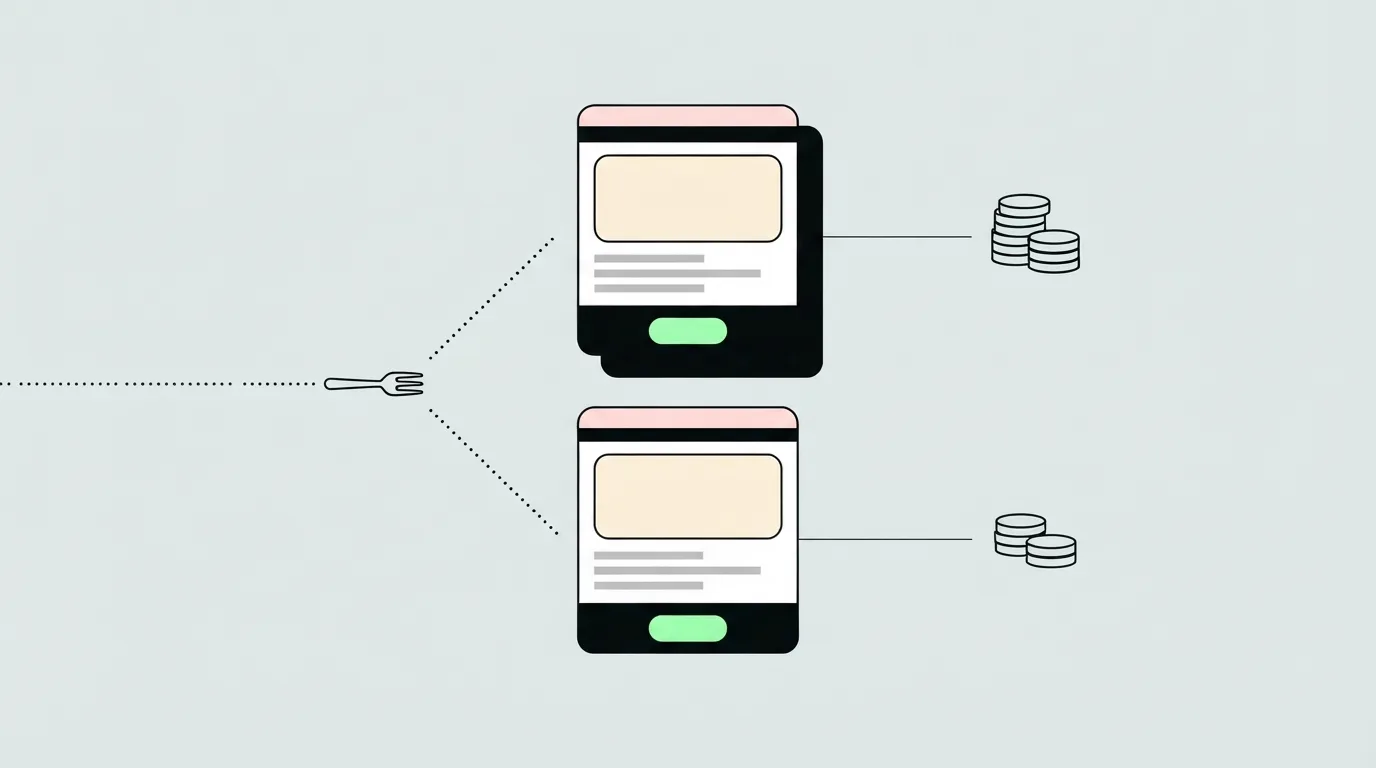
Direct-response copywriting asks the reader to do one thing now, and every line is judged on whether more people do it. Brand copy can aim to be remembered; direct-response copy is measured in clicks and sales per visitor. That is why it favours specifics over adjectives, the reader's own words over the company's, and one call to action over several.
The four parts that carry a presell
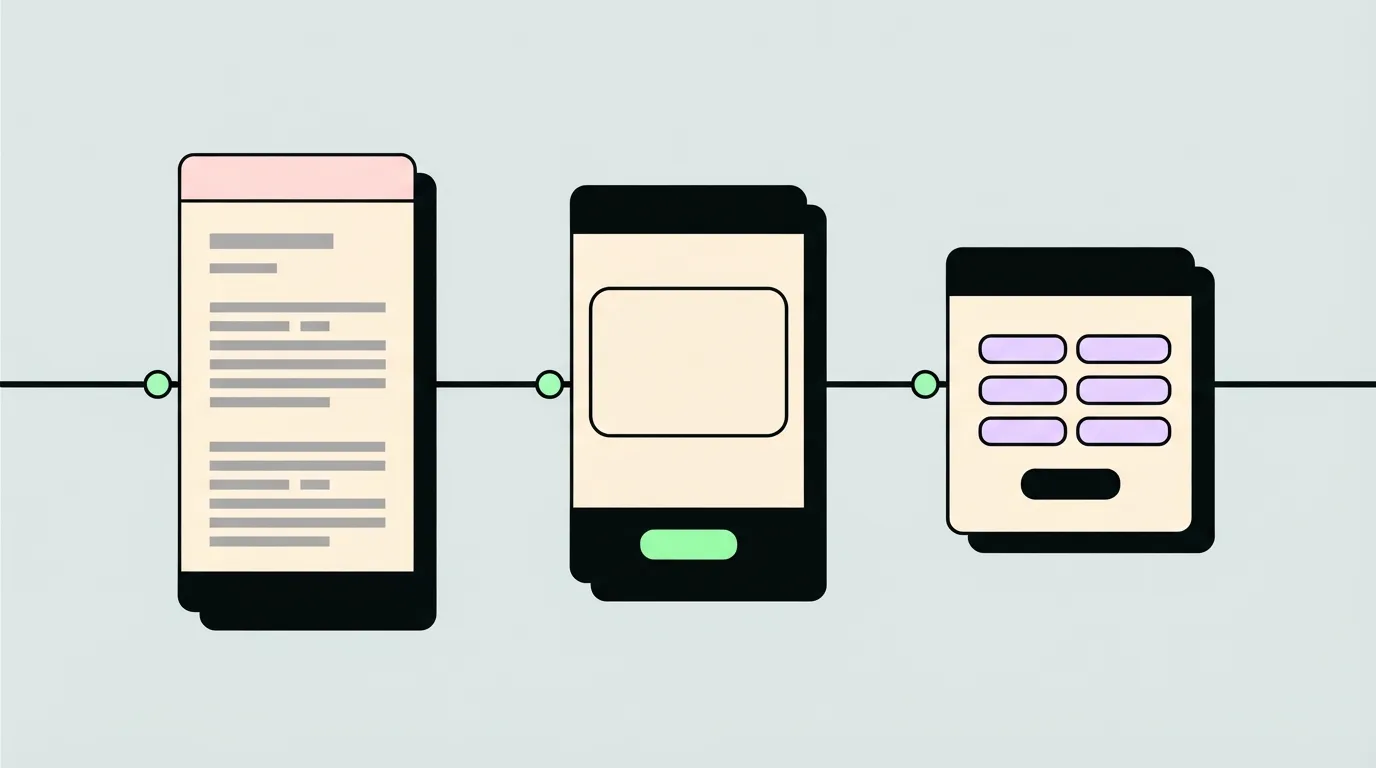
- Headline. It selects the reader and makes one promise the page can keep. Most of a page's result is decided here, which is why it is the first thing to test.
- Lead. The opening paragraphs. A problem lead describes the reader's situation; a story lead follows one person; a news lead opens on something new. The lead's job is to earn the next scroll.
- Offer. What the reader gets, for what price, and why now. A clear offer beats a clever one.
- Guarantee. The answer to "what if it does not work for me", placed beside the button where that question arises.
Writing it honestly
Specific claims persuade because they can be checked, which is also why they have to be true. Avoid invented testimonials, made-up statistics and before-and-after promises; on health and money offers those are what gets ads rejected and accounts closed. A specific, honest limitation ("dry it after washing") often does more for belief than another superlative.